By Serkan Akguc
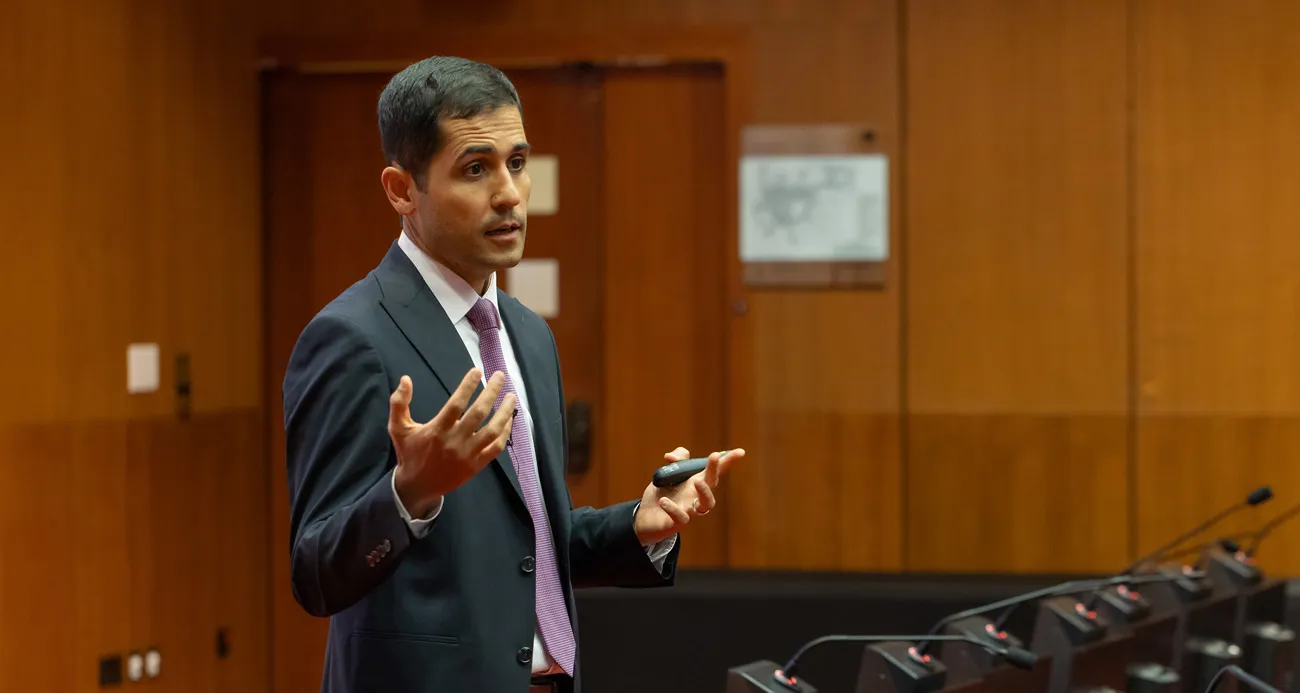
At a recent Community Partner Workshop I delivered at Carnegie Mellon University in Qatar (CMU-Q), “Foundations of investing: Financial markets, risk and long-term wealth building in the age of AI,” I asked the room where they keep their savings. About ninety professionals from seventeen government and private-sector organizations had come. The responses were honest: mostly cash, quite a bit of gold, some property. Very few indicated the stock market, fixed income or private equity.
The 9th World Investment Forum (WIF 2026) in Doha poses a question that sounds unrelated. UNCTAD reports that more than 80 percent of global foreign direct investment last year went to just 20 economies, and asks how developing economies can attract their share.
I think these are the same question.
In 1990, Robert Lucas asked why capital does not flow from rich countries to poor ones, where it should earn more. Three decades of research gave an uncomfortable answer. Capital is not scarce. Trust is. Investment goes where it expects fair rules, reliable information, and a way out.
Households behave the same way. A well-known study found that trust predicts individuals’ stock-market participation even after accounting for wealth, education, and risk appetite. The person who keeps savings in gold is not irrational. They are telling you what they trust.
Here the two questions meet. The UN’s own financing-for-development framework treats domestic resources, not foreign capital, as its foundation. The reason is practical. Foreign investors want a market they can leave as easily as they enter, and that kind of depth exists only where local savers and local companies are already there. Household participation is not a retail footnote to the Forum’s agenda. It is the base layer of it.
Qatar is well-placed. Its listed companies have long been among the region’s steadier dividend payers, so a patient investor here is paid to wait. If more of the country’s successful private and family-owned businesses chose to list, the pool would deepen further.
Where does AI fit? WIF 2026 has given it a thematic track of its own. But investing in AI and investing with AI are different things. Nearly half a century ago, two economists showed that publicly available information is already in the price; only costly, private information gives you an edge. AI has made public information almost free, and as accessible to a household as to a professional analyst. The information gap between the top and the smaller end of the market has collapsed.
During the CMU-Q workshop, participants watched an AI write its own code and screen hundreds of companies in seconds, work that used to take an analyst a week. But it was a superb research assistant, not an edge. Everyone else’s assistant was reading the same filings.
What AI leaves untouched is the trust gap and the discipline gap. Any AI will tell you that a simple, low-cost fund that owns the whole market beats most professionals over time. That advice is now free. Following it when the market falls thirty percent is not. No machine sits through the bad years for you. The judgment and the discipline remain yours.
So when delegates at WIF 2026 ask how to get capital flowing to more of the world, part of the answer was sitting in my classroom. Capital markets are built at forums like this one. They are also built, a little at a time, at the kitchen table. That is where trust begins.
Serkan Akgüç is an associate teaching professor of finance in the Business Administration program at Carnegie Mellon University in Qatar.